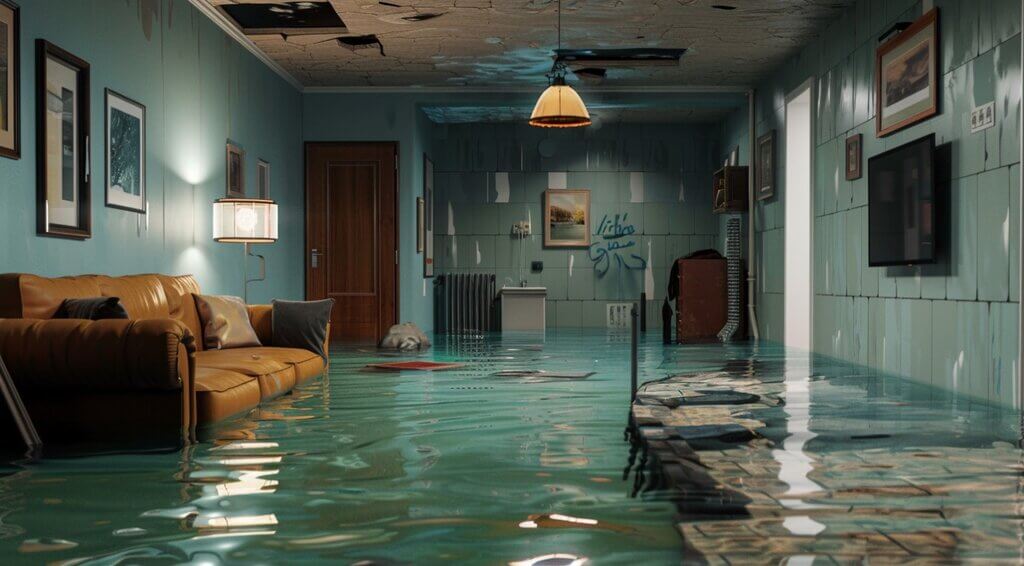
Understanding the categories of water damage is crucial in assessing the severity and potential risks associated with each type.
From the relatively clean Category 1 to the highly contaminated Category 3, different sources and levels of pollution can significantly impact the health hazards and long-term consequences for a property.
Knowing how to categorize water damage and respond appropriately can make a substantial difference in mitigating its effects.
Our water damage restoration service in Hollywood, FL, specializes in addressing these varying categories of water damage, ensuring that properties are restored to their pre-damage condition efficiently and safely.
Let’s explore in more detail how these categories differ and what steps can be taken to address them effectively.
Key Takeaways
- Category 1: Minimal contamination, low risk, prompt extraction needed.
- Category 2: Moderate risk, apply biocide, dispose of contaminated items.
- Category 3: High risk, seek professional help, ensure thorough sanitization.
- Prevention: Check for leaks, clean gutters, monitor water pressure, prevent structural damage.
What Are the Different Categories of Water Damage?
The categorization of water damage is essential in the field of professional restoration. The IICRC Standard for Professional Water Damage Restoration (IICRC S500) outlines three distinct categories that define the level of contamination present in the water.
Category 1 water damage, known as ‘Clean Water,’ refers to sanitary water sources such as broken pipes or overflowing sinks.
Category 2 water damage, labeled as ‘Grey Water,’ indicates a significant level of contamination, possibly containing chemicals or microorganisms that can cause discomfort or sickness if exposed.
Category 3 water, also known as “black water,” represents the highest risk level of water contamination, posing serious health risks, including illness or death, to humans and animals.
It is highly unsanitary and should only be managed by certified water remediation specialists.
Extreme caution is advised if handling black water is necessary.
How Do Category 1, 2, and 3 Water Damages Differ in Terms of Source and Contamination Level?
Categorization of water damages into Category 1, 2, and 3 is based on the level of contamination present and the potential risks associated with exposure to each category.
Category 1 water damage originates from a sanitary source with minimal health risks.
Category 2 water damage contains significant contamination, posing health risks if ingested.
Category 3 water damage is highly unsanitary, containing dangerous toxins and pathogens that can lead to severe health issues.
| Category | Source | Contamination Level |
|---|---|---|
| 1 | Water supply lines, rainwater, toilet tanks | Minimal contamination, low risk |
| 2 | Dishwasher/washing machine discharge, toilet bowl overflow with urine | Significant contamination, moderate risk |
| 3 | Sewage, seawater, rising water from rivers | Grossly contaminated, high risk |
What Are the Health Risks Associated with Each Category of Water Damage?
When assessing water damage, it is crucial to understand the distinct health risks associated with each category of contamination.
Category 1 water damage, originating from clean water sources like broken pipes, poses the least immediate health risk.
However, if left untreated, it can escalate to category 2 or 3, increasing health hazards.
Category 2 water damage involves significant levels of contaminants, such as from dishwasher leaks, leading to potential illnesses if exposed.
Category 3 water damage, the most severe, contains hazardous substances like sewage water, posing serious health risks that require immediate professional attention.
Regardless of the category, prompt action is essential to prevent mold growth, allergic reactions, and more severe health issues associated with water damage.
How Should You Respond to Water Damage Based on Its Category?
When dealing with water damage of various categories, it is crucial to respond appropriately to prevent further issues.
The specific category of water damage will dictate the level of caution and sanitation measures needed during the restoration process.
Understanding the distinctions between Category 1, Category 2, and Category 3 water damage is essential for a successful remediation process.
Category 1
In responding to water damage categorized as Category 1, it is imperative to promptly assess the situation and address any potential safety hazards to ensure a comprehensive restoration process.
When dealing with Category 1 water damage, which is classified as clean water from a sanitary source, the following steps should be taken:
- Evaluate electrical and safety hazards, turning off power to affected areas if safe to do so.
- Identify and address the source of flooding.
- Extract water using appropriate methods like a sump pump or manual removal.
These initial steps are crucial in mitigating further damage and beginning the restoration process effectively.
Category 2 and 3
Given the distinct nature of water damage categorized as Category 2 and 3, a meticulous and thorough response is essential to ensure the safety and well-being of individuals and the successful restoration of the affected areas.
When dealing with Category 2 or 3 water damage, applying a biocide to water-damaged surfaces after water extraction is crucial.
It is recommended to dispose of any affected carpeting due to possible microbial contamination.
Extra sanitization steps and the use of protective equipment are necessary throughout the cleanup process.
Bringing in a professional water damage and mold damage remediation company is highly advised to ensure all contaminants are properly removed.
These services are often covered by homeowner’s insurance and professionals can assist in navigating the insurance process effectively.
| Step | Description |
|---|---|
| Apply Biocide | Apply biocide to water-damaged surfaces after water extraction. |
| Dispose of Carpeting | Dispose of carpeting if there is potential microbial contamination. |
| Sanitization Steps | Take extra sanitization steps and wear protective equipment throughout. |
| Professional Assistance | Seek help from a water damage and mold damage remediation company. |
| Insurance Coordination | Work with professionals who can assist in navigating the insurance process. |
What Are the Long-term Effects of Each Category of Water Damage on a Property?
The long-term effects of each category of water damage on a property can significantly impact its structural integrity, functionality, and overall aesthetic appeal.
These effects include:
Structural Issues:
- Deteriorating roof underlayment and decking
- Softened, warped, or bowed wood-frame components
- Eroding concrete or brick foundation
Electrical, Plumbing, and HVAC System Breakdowns:
- Inoperable electrical systems
- Corroded and broken pipes
- Corrosion and deterioration of HVAC metal components
Cosmetic Concerns:
- Permanent water stains and mold damage markings
- Erosion of drywall
- Warped or separated wood flooring
Addressing these issues promptly is crucial to prevent further damage and maintain the property’s value and safety.
How Can You Prevent Water Damage of Various Categories?
To safeguard your property and mitigate the risk of water damage across different categories, implementing proactive maintenance measures is essential.
By following these preventive steps, you can significantly reduce the likelihood of water damage incidents:
| Preventive Measures | Description | Benefits |
|---|---|---|
| Check Hoses and Faucets | Regularly inspect for leaks and damage | Prevents water leakage |
| Clean Gutters and Downspouts | Ensure proper water drainage | Prevents water buildup |
| Keep Trees Trimmed | Prevents damage from falling branches | Reduces risk of roof damage |
| Look for Leaks, Mold, Cracks | Address issues promptly | Prevents structural damage |
| Monitor Water Pressure | Detects potential issues early | Prevents burst pipes |
Leave a Reply
You must be logged in to post a comment.